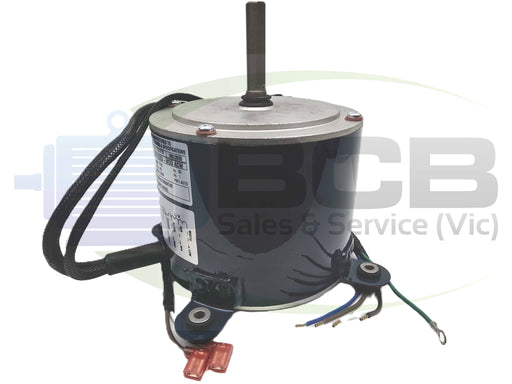
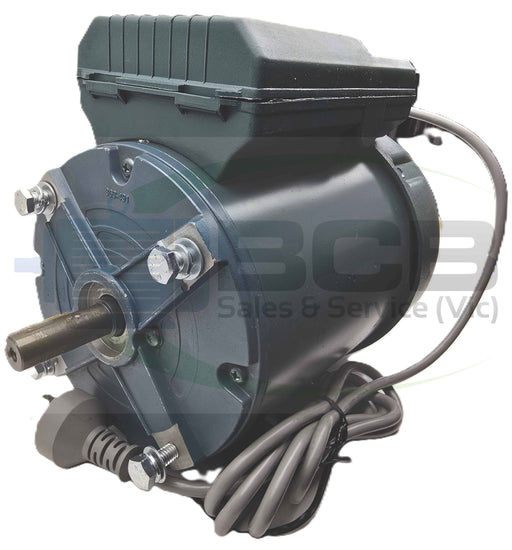
In every air conditioning system, the outdoor unit plays a critical role in heat removal. At the centre of that process is the condenser fan motor, the component responsible for moving air across the condenser coil so heat can escape efficiently.
If the air conditioner fan motor fails, the entire cooling cycle is disrupted. The system may overheat, lose performance, or shut down completely.
At BCB Sales & Service, we supply high-quality condenser fan motors designed for reliability, correct airflow, and compatibility with modern and older air conditioning systems across Australia.
What Does a Condenser Fan Motor Do?
To understand why the condenser fan motor matters, it helps to look at how cooling actually works. Inside an air conditioner:
- Refrigerant absorbs heat inside your home.
- The refrigerant travels to the outdoor unit.
- The air conditioning condenser releases heat.
- Refrigerant condenses into a liquid again.
- The cooling cycle repeats.
The condenser coil must release heat efficiently for the refrigerant to condense into a liquid. That heat removal depends entirely on airflow.
This is where the fan motor for the AC unit becomes critical.
The motor drives the fan blade, which pulls outside air through the condenser coil. Without adequate airflow:
- Heat transfer slows down
- Refrigerant pressure rises
- The compressor works harder
- Cooling performance drops
A properly functioning motor for the air conditioner fan ensures the condensing unit operates safely and efficiently.
Signs of a Failing Condenser Fan Motor
Condenser motor failure usually develops gradually. Common warning signs include:
- Outdoor AC system fan not spinning
- Intermittent operation
- Loud humming or grinding noise
- Reduced cooling indoors
- System shutting off prematurely
- Fan motor on the AC unit is running slowly
- Burning smell from the outdoor unit
If the fan motor in the air conditioner stops completely, the compressor may overheat quickly. Prompt replacement prevents major damage to the entire AC condenser.
How Condenser Fan Motors Work Within the AC System
The air conditioning condenser removes heat by transferring it from hot refrigerant gas to the outside air.
When the refrigerant reaches the outdoor coil:
- It is hot and under pressure
- The condenser fan circulates air
- Heat dissipates into the atmosphere
- Refrigerant condenses into a liquid
If the airflow is weak, the refrigerant cannot cool properly. This causes:
- Higher head pressure
- Reduced system efficiency
- Potential compressor failure
The AC fan and motor combination must be correctly sized to match:
- Coil dimensions
- Airflow requirements
- Electrical supply
- Refrigerant load
Choosing the right condenser fan motor is not just about physical fit; it directly affects heat transfer efficiency.
Common Causes of Condenser Motor Failure
Several factors contribute to condenser fan motor breakdown:
1. Electrical Stress
Power surges, voltage imbalance, or capacitor failure can damage windings.
2. Bearing Wear
Outdoor exposure allows dust, moisture, and debris to enter the motor housing.
3. Overheating
If airflow is restricted or ambient temperatures are high, motors may overheat.
4. Capacitor Failure
Many condenser fan motors rely on run capacitors. A failed capacitor may cause the motor to hum but not spin.
5. Continuous Operation
In Australian summers, air conditioning systems may run for extended hours, accelerating wear.
Replacing the condenser and fan motor assembly early reduces the risk of further system damage.
Choosing the Right Condenser Fan Motor
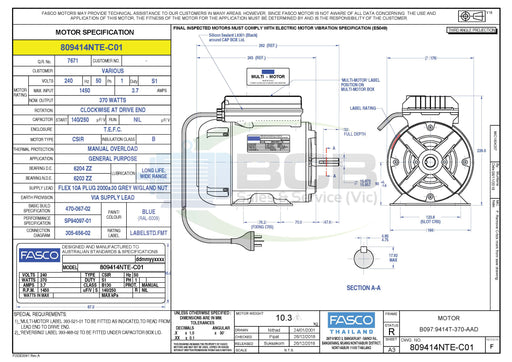
When selecting a replacement motor, always confirm:
- Voltage (usually 240V single phase)
- RPM rating
- Shaft size
- Frame dimensions
- Mounting configuration
- Rotation direction
Incorrect specification may result in:
- Reduced airflow
- Improper condenser coil cooling
- Higher power consumption
- Shortened motor lifespan
The correct motor for the AC fan ensures proper airflow across the condenser coil, maintaining optimal system balance.
Condenser Fan vs Evaporator Fan: What’s the Difference?
It’s common to confuse the indoor and outdoor fan systems.
Evaporator Fan (Indoor Unit):
- Circulates cooled air into the room
- Works with the evaporator coil
Condenser Fan (Outdoor Unit):
- Expels heat
- Works with the air conditioning condenser
- Critical for the refrigerant condensing process
Both are essential, but failure of the condenser fan motor can cause greater system stress due to rising pressure inside the condensing unit.
How a Condensing Unit Maintains Efficiency
The condensing unit is designed to:
- Remove absorbed heat
- Maintain stable refrigerant pressure
- Protect compressor components
- Support continuous cooling cycles
If airflow drops, the system struggles to condense refrigerant properly. Without proper airflow, refrigerant may fail to condense efficiently, reducing cooling capacity and increasing energy consumption.
That’s why replacing a faulty air conditioner motor fan quickly is critical.
Why Quality Replacement Parts Matter
Not all condenser motors are equal.
Low-quality motors may:
- Overheat under load
- Deliver inconsistent RPM
- Have shorter bearing life
- Draw excessive current
A high-quality condenser fan motor ensures:
- Stable airflow
- Efficient heat transfer
- Reliable operation
- Reduced compressor stress
Choosing the right replacement parts protects the entire air conditioning system.
Improve Cooling Performance & Reduce Energy Costs
A failing condenser motor doesn’t just reduce cooling; it increases running costs.
When airflow drops:
- The compressor works harder
- System cycles increase
- Power usage rises
- Component wear accelerates
Replacing the fan motor for the AC condenser restores proper heat rejection and improves overall efficiency. This leads to:
- Lower electricity bills
- More consistent indoor temperatures
- Longer compressor lifespan
When Should You Replace the Condenser Fan Motor?
Consider replacement if:
- The motor overheats regularly
- Bearings are noisy
- Fan speed is inconsistent
- Breaker trips repeatedly
- Cooling performance has noticeably declined
Delaying replacement can result in compressor failure and a far more expensive repair.
Why Buy Condenser Fan Motors from a Specialist Supplier?
Selecting the right condenser fan motor requires more than matching physical size.
At BCB Sales & Service, we assist customers by:
- Matching electrical specifications
- Confirming shaft dimensions
- Verifying RPM ratings
- Ensuring correct mounting type
- Providing compatible replacement parts
If you're unsure whether you need:
- A new air conditioner fan motor
- A capacitor replacement
- A full condenser and fan assembly
- Or a motor-only replacement
Our team can guide you before purchase.
Restore Proper Cooling Performance with BCB Sales & Service
Cooling performance starts with airflow. If your outdoor unit is struggling, overheating, or losing airflow, replacing the condenser fan motor may be the solution.
Correct airflow ensures:
- Efficient heat transfer
- Stable refrigerant cycling
- Consistent cooling
- Longer system life
Browse our condenser fan motor range to find compatible replacement options, or contact our team for expert support.
Frequently Asked Questions on Condenser Fan Motors
<H3> What does a condenser fan motor do?
It circulates air across the condenser coil to remove heat and allow refrigerant to condense into a liquid.
Can my AC run without the condenser fan?
No. Without airflow, the compressor will overheat and shut down.
Why is my condenser fan humming but not spinning?
Often caused by a failed run capacitor or seized bearings.
How long do condenser fan motors last?
Typically 8–15 years, depending on operating conditions.
Is it expensive to replace a condenser motor?
Motor replacement is significantly more affordable than compressor replacement if addressed early.